


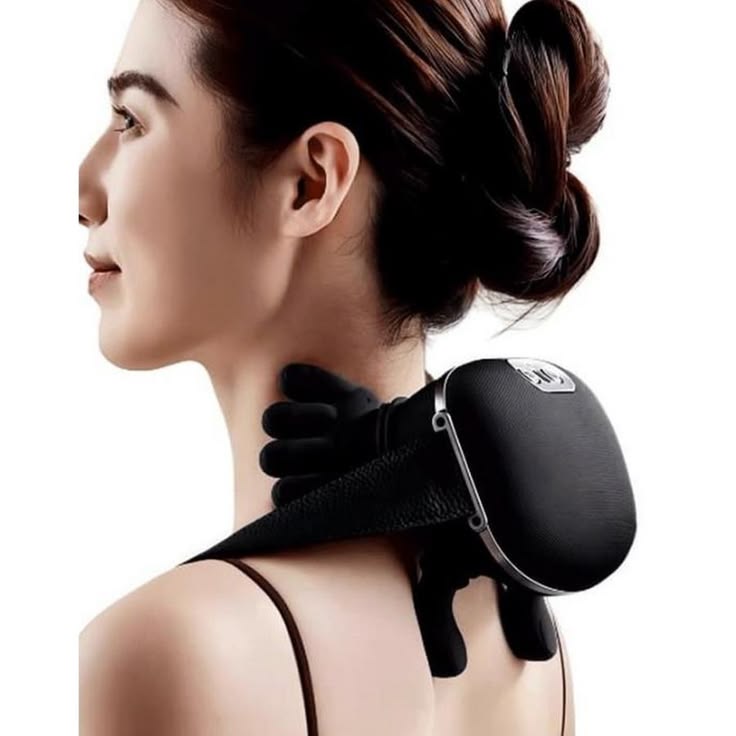
Massage technology has changed dramatically over the past few decades. What began as basic mechanical rollers has evolved into highly advanced systems capable of mimicking human hands with surprising realism. Today’s intelligent Hand Simulated Neck shoulder massager devices combine motion engineering, sensor feedback, and ergonomic design to deliver targeted relief for modern muscle stress patterns.
This evolution reflects a broader shift in wellness technology: moving from generic stimulation to personalized, anatomy-aware recovery.
The First Generation: Simple Mechanical Rollers
Early massage devices were built on a straightforward idea—apply repetitive pressure to sore muscles.
How They Worked
These devices typically used:
- Fixed rotating rollers
- Basic vibration motors
- Uniform pressure patterns
Limitations
While helpful for surface relaxation, they lacked:
- Depth control
- Target precision
- Adaptability to different body types
They could ease mild tension but were ineffective for chronic knots or deep muscle stiffness.
The Second Generation: Vibration-Based Massagers
Vibration technology became the next major step forward.
What Improved
- Portability increased
- Devices became more affordable
- Ease of use improved significantly
Core Mechanism
High-frequency vibration stimulated superficial muscle layers and nerve endings.
Where It Fell Short
Despite popularity, vibration massage had clear limitations:
- Limited deep tissue penetration
- Repetitive stimulation with little variation
- Short-lived relief for chronic tension
The Third Generation: Kneading and Node-Based Systems
This stage marked a major shift toward more realistic massage simulation.
Key Innovation: Rotating Nodes
Devices began using motor-driven nodes that mimic finger and palm movements.
What Changed
- Circular kneading replaced simple vibration
- Pressure could reach deeper muscle layers
- Motion began to resemble human massage techniques
Impact on Muscle Relief
This generation was significantly more effective for:
- Neck stiffness
- Shoulder tension
- Upper trapezius knots
The Fourth Generation: 4D Hand Simulation Technology
4D systems introduced time-based variation into massage motion.
What “4D” Means
In addition to movement across space, these systems add variation over time:
- Changing speed
- Alternating pressure
- Dynamic rhythm shifts
- Variable depth control
Why This Matters
Human massage is not repetitive. It constantly adapts. 4D systems replicate this variability, making the experience feel more natural and responsive.
The Fifth Generation: Intelligent Hand Simulation
The latest stage of massage evolution focuses on realism and adaptability.
Core Features
- Palm and thumb simulation
- AI-assisted motion patterns (in advanced models)
- Adaptive pressure control
- Ergonomic body mapping
What Makes It “Intelligent”
These devices are designed to respond to:
- Muscle resistance
- Tension zones
- User-selected comfort levels
Even without full AI decision-making, their motion logic is far more adaptive than earlier generations.
How Hand Simulation Mimics Real Massage
Modern systems replicate key human techniques.
1. Thumb-Like Precision Pressure
Targets small, tight muscle knots with focused force.
2. Palm-Like Compression
Spreads pressure across larger muscle areas for relaxation.
3. Alternating Kneading Motion
Simulates the back-and-forth rhythm of human hands.
4. Variable Depth Control
Adjusts penetration into muscle layers for customized relief.
Why Evolution Matters for Muscle Recovery
Each generation improved not just comfort, but therapeutic effectiveness.
Deeper Muscle Access
Later systems reach muscle layers that early devices could not affect.
Improved Circulation Response
More natural motion encourages better blood flow.
Longer-Lasting Relief
Advanced kneading systems reduce the recurrence of tension.
The Role of Ergonomics in Modern Devices
Evolution was not only about motion—it was also about design.
Body-Contouring Shapes
Devices now align with:
- Neck curvature
- Shoulder slope
- Upper back structure
Balanced Pressure Distribution
Ensures both sides of the body receive equal stimulation.
The Integration of Heat and Motion
Thermal therapy became a key feature in later generations.
Benefits
- Softens muscle tissue
- Enhances kneading effectiveness
- Improves comfort during deep pressure
Why Modern Devices Feel More “Human”
Motion Variability
Human hands never move in perfectly repeated patterns. Modern devices replicate this unpredictability.
Pressure Responsiveness
Advanced systems adjust force more naturally than earlier machines.
Sensory Realism
Warmth, rhythm, and depth combine to create a lifelike sensation.
Where Massage Tech Is Headed Next
The future is moving toward even more personalized systems.
Smarter Feedback Systems
Devices may soon respond in real time to muscle tension changes.
Improved Anatomical Mapping
More precise targeting of individual muscle structures.
Enhanced Adaptability
Greater personalization based on user body shape and pain patterns.
Final Thoughts
The evolution of massage technology reflects a steady journey from simple mechanical stimulation to intelligent, human-like therapy systems. What once relied on basic rollers now uses advanced kneading motion, heat therapy, and ergonomic design to replicate the complexity of human touch.
Today’s hand-simulated massagers offer a level of precision and comfort that was previously unavailable outside professional therapy. While they continue to evolve, their goal remains the same: to bring effective, accessible, and realistic muscle relief into everyday life.
